I have been running an Acer 4K webcam vs Logitech C920 comparison on my own streaming desk for months now, and the short answer has not moved: the C920 is still the camera I hand to someone who needs a call to just work, and the Acer 4K listings are what I reach for when I can control the light. This is a comparison of four listings, three of which are webcams and one of which is very much not, and I am going to be blunt about which one earns a permanent spot on your monitor. Eight years of streaming and corporate video work have taught me that the sticker on the box matters far less than the sensor behind the lens and the light hitting your face.
The best pick for most people here is the Logitech C920 if your room is dim, your upload is capped, or you just want zero setup drama. The Acer 4K webcams are the better camera the moment you can light yourself properly and your machine can handle a 4K pipeline. That is the whole argument in two sentences. The rest of this article is the detail behind it.
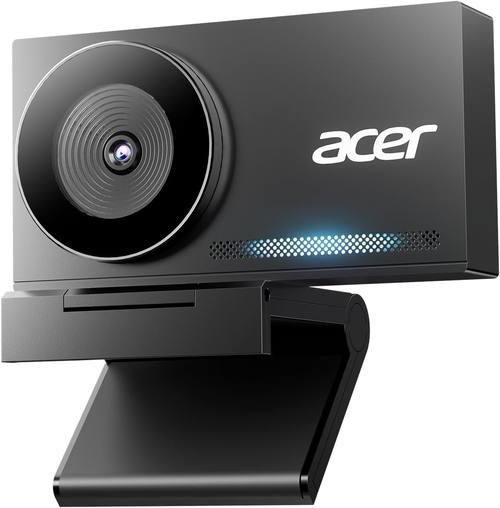
Acer 4K Webcam (Switch 2, Zoom, Teams, Facetime listing)
The most capable camera in this group: 4K capture, an all-metal unibody, a Sony 1/2 inch sensor, PDAF autofocus, two noise reduction mics, and a privacy cover
Two nearly identical Acer listings exist, so you have to read the title carefully before you buy
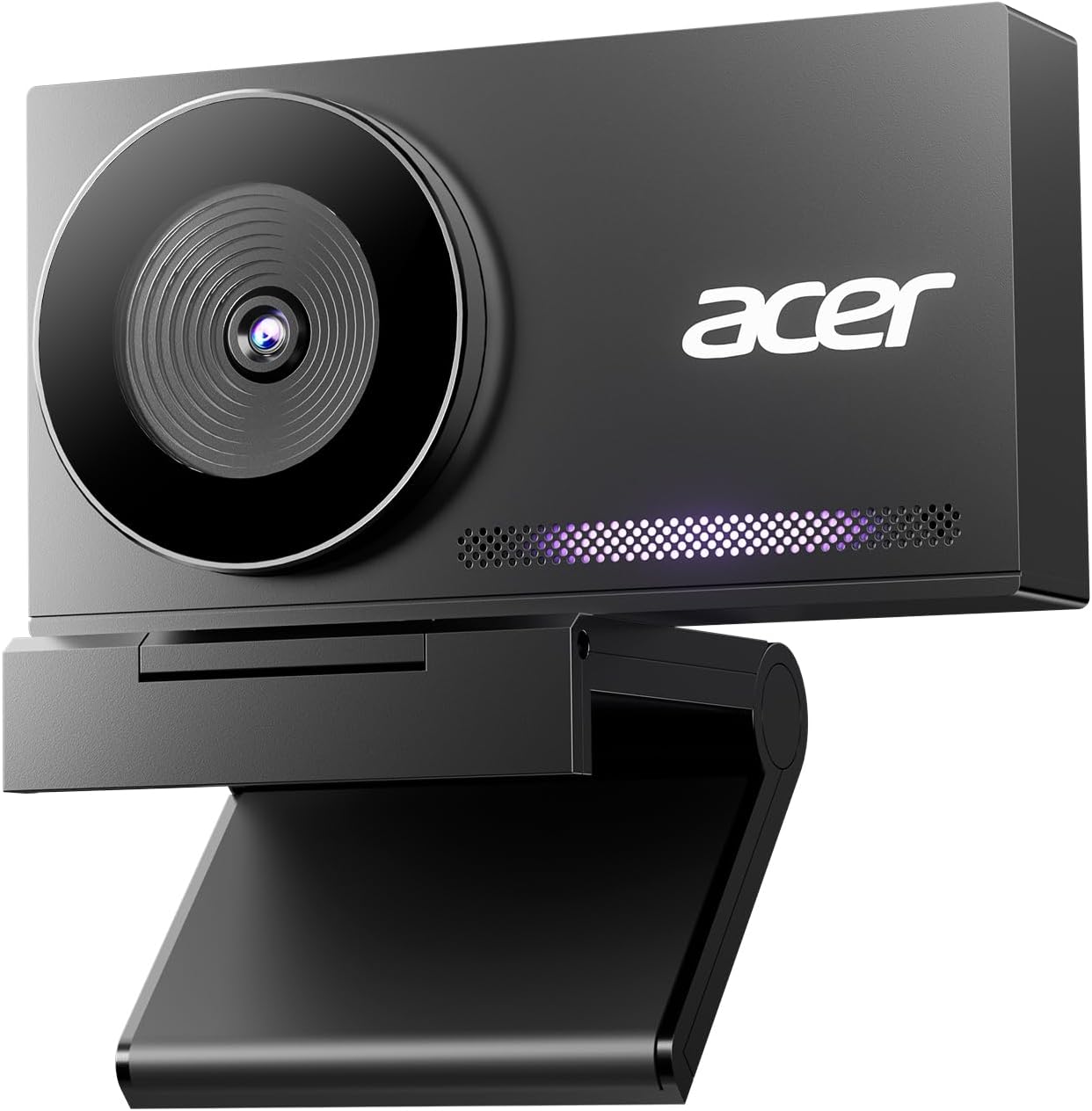
Acer 4K Webcam (Live Meeting, Commerce, Gaming listing)
Same core hardware story: Sony 1/2 inch sensor, PDAF, dual mics, privacy cover, plus lightweight and fast cooling wording aimed at long sessions
Same camera family as the listing above, so the naming overlap is genuinely confusing
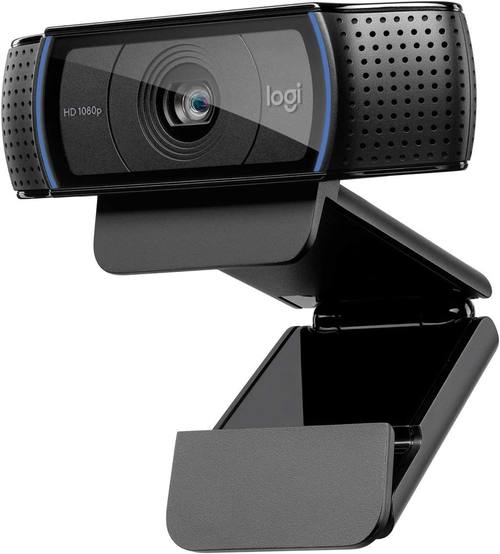
Logitech HD Pro Webcam C920
The reliability pick. 1080p, widescreen, clips to a desktop or laptop, and it is the camera every conferencing app already recognizes
1080p only, no PDAF, no privacy cover listed, and it cannot match the Acer's sensor size

Design-Build Project Delivery
Genuinely useful if you run a production business and manage studio build-outs from proposal through construction
It is a book, not a camera, and it has no business on a webcam shortlist
Prices and availability were captured from Amazon Creators API and may change.
How I test a webcam before it earns a recommendation
Every camera that gets a permanent mention here has survived the same routine. It goes on my actual desk, at my actual seating distance, under the light I actually use for a weekly podcast. Then it has to survive a two hour stream, a Zoom call with a client, and an OBS session where I check whether the thing shows up as a normal capture device or starts a driver argument.
That last part matters more than any spec sheet. If a camera needs proprietary software running in the background before it behaves, it is a toy with a lens. I also check what the camera does when I move: turn my head, lean in, reach for a coffee. Autofocus behavior in motion tells you more about a webcam than a resolution badge ever will.
I do not test in a studio. I test in a normal room with a window and a couple of lights, because that is where you will use it.
The sensor is the camera, and the Acer listings bring the bigger one
Here is the thing I keep repeating to people who email me about webcams: the sensor is the camera. Resolution is a number you print on the box. The imaging chip is what decides whether your skin looks like skin or like a watercolor of a witness sketch.
The Acer 4K listings in this comparison both advertise a Sony 1/2 inch sensor, which is a real claim about the chip rather than a resolution sticker, and it is the main reason I would take either of them over a generic 1080p camera in a room where I control the light. Both listings also list PDAF, which is phase detect autofocus, and that is the part that separates a camera that tracks your face from a camera that hunts while you are mid sentence.
Both Acer listings also include a privacy cover and two noise reduction microphones. Treat the mics as a backup plan, not a purchase reason. The camera is the purchase. A webcam mic is what saves you when your interface dies ten minutes before a call, not what you build a podcast around.
Two Acer listings, one camera family, and how to choose
The awkward part of this comparison is that two of the four listings are Acer 4K webcams with almost the same description. One lists compatibility with Switch 2, Zoom, Teams, Facetime, YouTube, and Google Meet. The other leads with Live Meeting, Commerce, and Gaming, plus lightweight and fast cooling wording.
The hardware story is the same: all-metal unibody, Sony 1/2 inch sensor, PDAF, dual noise reduction mics, privacy cover. So my advice is simple. Pick the listing whose description matches the software you actually live in. If you are a Teams and Google Meet person, take the one that names those platforms. If you stream games and want the listing that speaks your language, take the other. Check the current price on both before you decide, because they are close enough that the naming is the only real difference a buyer will notice.
The Logitech C920 is still the default, and that is not nostalgia
The C920 is 1080p. It is widescreen. It clips to a desktop or a laptop. That is the entire pitch, and it has been enough for years.
Why does it still belong in this comparison next to two 4K cameras? Because it works. Every app I use recognizes it without a fight. It does not surprise me. When a client call starts in ninety seconds and my main camera is mid firmware update, the C920 is the camera I grab, and it has never once made me look bad in a way that cost me a meeting.
What it gives up is real. No PDAF, no privacy cover listed, 1080p instead of 4K, and a smaller sensor than the Acer pair. In a dim room with one overhead light, the difference between a small sensor and a 1/2 inch sensor is visible, and it is not subtle. But a camera you trust beats a camera you fight, and the C920 has been the budget king long enough that the trust is earned rather than assumed.
Autofocus, field of view, and the OBS check
Autofocus is a feature until it hunts. I have watched a presenter lean in to make a point and watched the camera decide that moment was the right time to refocus on the wall behind them. That is the number one webcam annoyance in my inbox, and it is why PDAF on the Acer listings is worth more than the 4K badge.
Field of view matters just as much. A wide view shows your room, your laundry, and your ceiling fan. A narrow view shows your face and not much else. For a solo podcast shot you want the tighter framing. For a desk setup where you gesture and use props, you want to see more. Neither of these cameras is a one size fits all answer there, so test it in your own space rather than trusting a spec line.
Then the OBS check. Does the camera appear as a normal capture device, or does it demand a driver install before OBS will touch it? The Acer listings and the C920 all behave like standard cameras in my experience, which is the highest compliment I can pay a webcam. If a camera fails this test, nothing else on the box matters.
The odd one out: the design build book
One of the four listings is a book about design build project delivery, covering the building process from proposal through construction. It is not a webcam. It has no sensor, no autofocus, and no mics.
I am including it because it was part of this comparison set, and because there is a narrow case where it is genuinely relevant. If you are a video producer who is moving into a real studio and managing that build-out, from the proposal through construction, the project delivery side of that job is a skill nobody teaches you on a streaming forum. That is who this book is for.
If you came here to buy a camera, skip it. It will not make your face look better.
The trade-offs nobody puts on the box
The Acer 4K pair gives you the better sensor, PDAF, dual mics, and a privacy cover. What you give up is simplicity. Two listings with overlapping names mean you have to read before you click, and 4K capture is only worth anything if your lighting and your machine can support it. Bad light in 4K is still bad light, just with more pixels describing it.
The C920 gives you reliability and a camera that every app already knows. What you give up is headroom. There is no 4K, no PDAF, and no privacy cover listed. If your lighting is good and your setup is stable, you are leaving image quality on the table.
That is the actual decision. Not which camera is better in the abstract, but whether your room and your workflow can use what the better camera offers.
Who should buy which
Buy the Acer 4K webcam if you have at least one decent light in front of you, you record or stream regularly, and you want a privacy cover and PDAF autofocus in the same package. Pick the listing that names the platforms you actually use, and check the current Amazon price on both before you commit.
Buy the Logitech C920 if you want the camera that works in every app on day one, your room is not well lit, or you are buying for someone who will never open a settings panel. It is still the safest 1080p recommendation I can make, and it has earned that.
Buy the design build book only if you are managing an actual studio build-out and the construction process is now part of your job. Otherwise it stays on the shelf while you shop for a camera.
What I am testing next
I have a dim room test queued for both Acer listings, because a 1/2 inch sensor should hold up better than a 1080p chip when the overhead light is the only light, and I want to see how PDAF behaves when I move in and out of frame during a stream. I am also running the C920 through another month of client calls to see whether the reliability story still holds up in 2026.
If you want the short version one more time: better sensor wins when you control the light, and the reliable camera wins when you do not. Everything else is marketing.