I have been on camera for eight years, first on Twitch and now for corporate video work, and in that time I have watched the webcam market cycle through the same trick three times: a new resolution number, a smaller sensor, a bigger sticker on the box. This webcam comparison for streaming is the version of that argument I keep having with clients, written down. The shortlist here is four items, three of which are actual cameras: the Logitech HD Pro Webcam C920, the Logitech C930e, and an Acer 4K model with a Sony sensor. The fourth is a book about construction project delivery that landed in the same batch, and I am going to deal with it honestly instead of pretending it belongs on your desk next to a monitor.
If you want the short answer: the Logitech HD Pro Webcam C920 is still the safest first webcam for streaming and calls, the C930e is the upgrade for shared rooms and wider shots, and the Acer 4K is the interesting gamble because of its sensor, not its resolution.
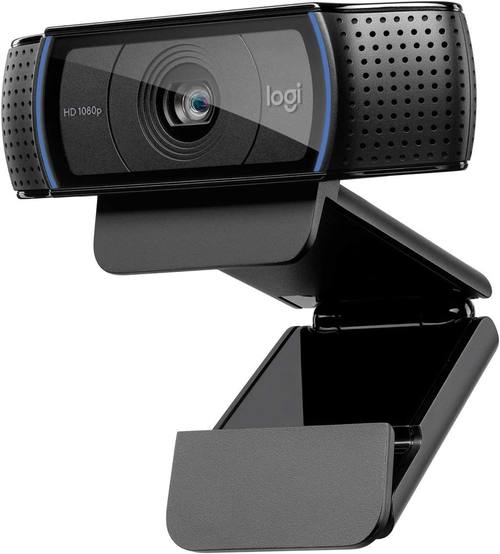
Logitech HD Pro Webcam C920
1080p widescreen framing, mounts anywhere, works in OBS without a driver fight
Old sensor, average low light, mic is strictly a backup plan
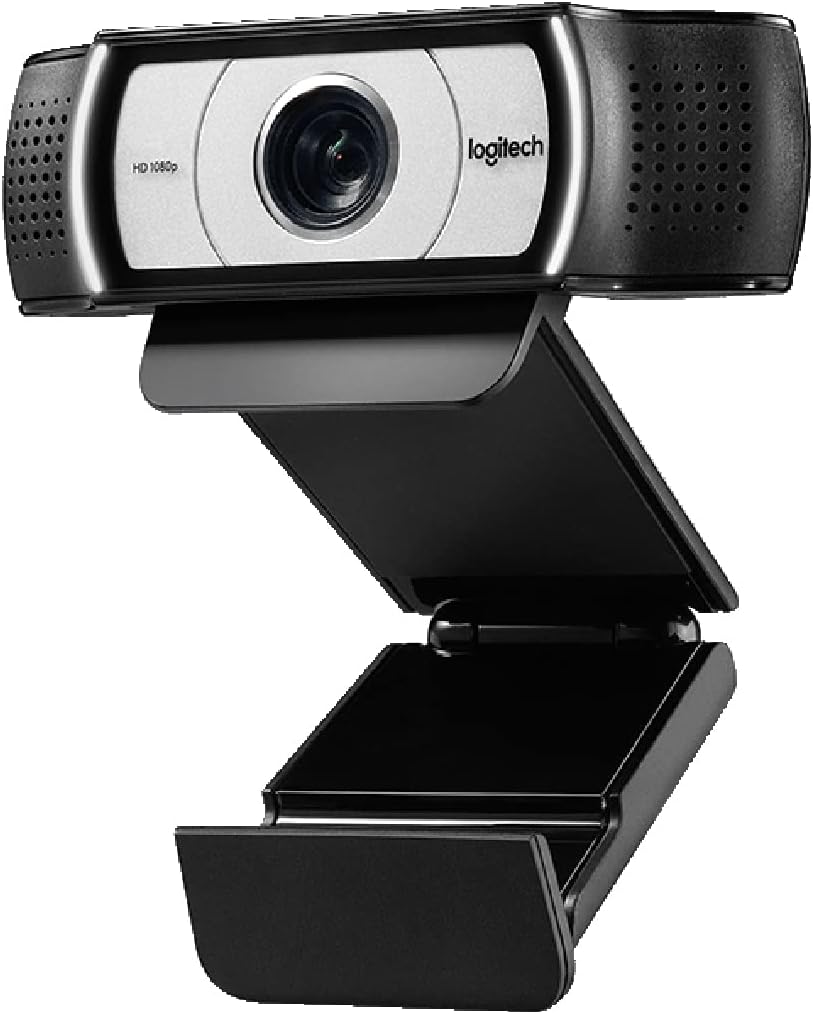
Logitech C930e Webcam
Wider field of view, built for conference rooms and group shots, business-grade deployment
Less flattering for a solo face shot, older design, priced close to newer options
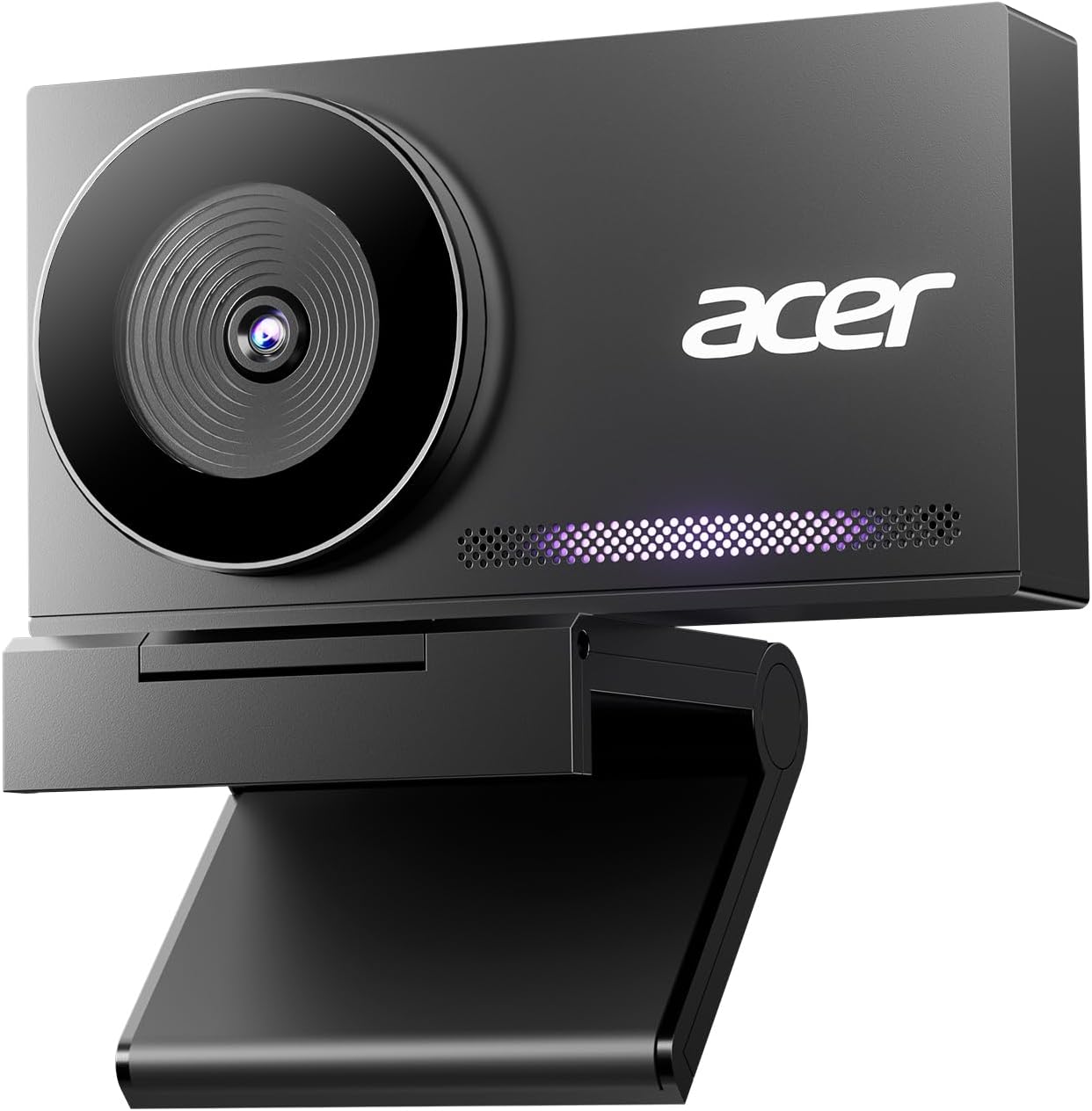
Acer 4K Webcam for PC/Mac with All-Metal Unibody
Sony 1/2 inch sensor and PDAF autofocus, privacy cover, all-metal body
4K on any webcam needs serious light and CPU headroom, software story is unproven
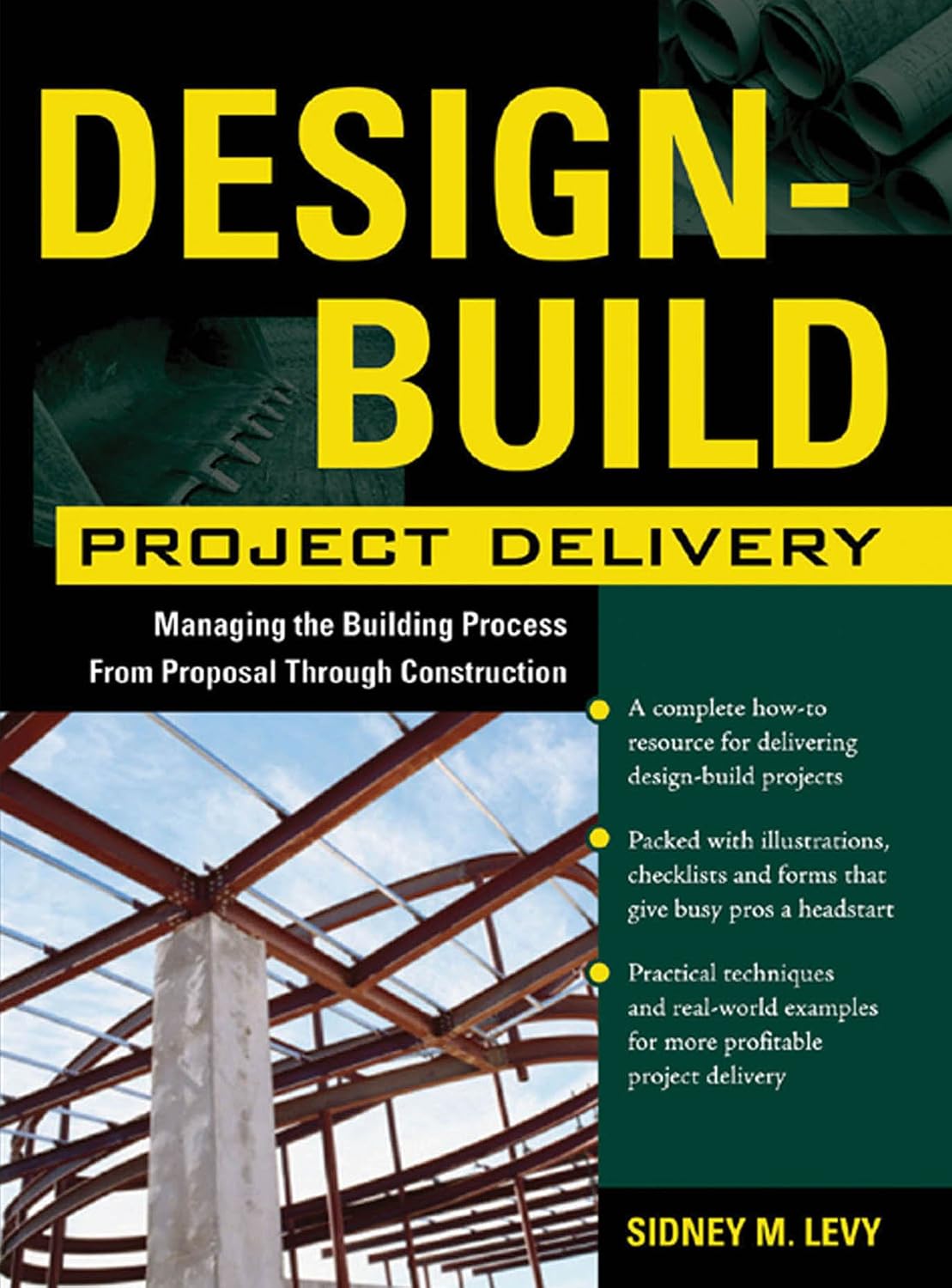
Design-Build Project Delivery: Managing the Building Process from Proposal Through Construction
Genuinely useful if you run construction projects
It is a book, not a camera, and it will not make your face look better
Prices and availability were captured from Amazon Creators API and may change.
How I judge a webcam
Four questions, every time. What is the actual sensor size, not the marketing? Does the autofocus hunt in real lighting? Does it work in OBS without a driver fight? And would I put it on my own podcast?
Resolution is not on that list, and that is deliberate. A 4K badge tells you the camera can output a lot of pixels. It says nothing about how much light each pixel collects, which is the thing that decides whether your face looks like a face or a witness sketch. Sensor size and lens quality do that work. Everything else is packaging.
The second thing I weigh is how the camera behaves when I stop performing for it. A webcam that hunts focus every time I lean back is worse than a lower-resolution camera that just holds still. That is why the phrase "autofocus is a feature until it hunts" exists in my vocabulary, and why I care more about focus behavior than about frame rate specs I will never use.
Third: drivers and software. If changing a setting requires installing a proprietary utility that fights with OBS, the camera is a toy. The best webcams are boring to set up.
The Logitech C920: the default for a reason
The C920 is the camera I recommend to people who have never owned a webcam and do not want to think about it. It is 1080p, it frames in widescreen, it clamps to a monitor or screws onto a tripod, and it has been the safe answer for so long that most streaming guides assume you already own one.
What it does well is consistency. It shows up as a standard camera device, it works in OBS, Zoom, Meet, and Teams without negotiation, and it holds focus on a seated subject without drama. For a podcast or a call, that is most of the job.
Where it loses is low light and detail. The sensor is old, and old sensors in a dim room produce soft, noisy skin tones. If your only light source is the monitor you are staring at, the C920 will faithfully record that mistake. The microphone is also exactly what I expect from a built-in webcam mic: fine for a quick call, wrong for anything you would publish.
The other honest criticism is that it is old enough that you should check what you are paying for it. It has been sold at every price point from impulse buy to unreasonable, and at the high end of that range you are paying nostalgia money.
The Logitech C930e: the business workhorse
The C930e is the camera that lives in conference rooms. It was built for business deployments, which shows in two ways that matter: a wider field of view so a small group fits in frame, and the kind of reliability that survives being unplugged and replugged by strangers every week.
For streaming, the wide field of view is a real decision point. If you are shooting a two-person podcast at one desk, or you want to stand up and gesture, the extra width is genuinely useful. If you are a solo talking head, that same width means your face occupies less of the frame and you need to be closer to the lens than feels natural.
The trade-offs are straightforward. It is an older design, and its image processing leans toward the flat, clean look that businesses want for video calls rather than the contrast that makes a stream pop. It also tends to sit in a price bracket where the case for a newer camera gets loud.
What it gets right, and this is not a small thing, is behaving like a piece of infrastructure. It does not need babysitting. For a small business, a classroom, or anyone who wants one camera to serve calls and occasional recording, that reliability is the product.
The Acer 4K webcam: read the sensor, not the sticker
This is the one in the batch that made me sit up, and it is not because of the 4K label. It is the Sony 1/2 inch sensor. That is a meaningful piece of glass for a webcam, and it is the reason this camera is worth a serious look instead of a reflex eye roll at the resolution claim.
A bigger sensor collects more light per pixel, which is the entire game in the dim rooms where most people actually stream. Pair that with PDAF, phase detection autofocus, and you have the two things I care about most in one listing. The privacy cover is a genuine plus for anyone who works from a bedroom, and the all-metal unibody should survive a life of being knocked around a desk.
The rest of the listing is where I get skeptical. "Lightweight, fast cooling" is the kind of line that tells you nothing about image quality. Dual noise reduction mics are still webcam mics, and my standing rule applies: the mic is a backup plan, the camera is the purchase.
The real question with any 4K webcam is what happens when you ask it to deliver 4K. That is a lot of data over a USB connection, it demands real light to look good, and it puts load on your machine while you are also encoding a stream. My advice is to buy this for the sensor and the autofocus, run it at 1080p until you have the lighting to justify more, and treat 4K as a bonus you grow into rather than a feature you need on day one. Software support is the other unknown, and until I have lived with it, I will not pretend otherwise.
The outlier: Design-Build Project Delivery
Let me be direct about the fourth item, because it does not belong in a webcam comparison and pretending otherwise would waste your time.
Design-Build Project Delivery is a book about managing construction projects from proposal through construction. It is for architects, contractors, and project managers who are running a design-build contract and need the process explained in plain language. If that is your job, it is a legitimate purchase. If you came here looking for a camera, it is not a camera, and no amount of comparison-table formatting will change that.
The only reason I am keeping it in the table is that leaving it out would be dishonest about what was in front of me. The one overlap I can offer is situational: if you are the person specifying cameras and AV gear for a construction office or a job site, you are shopping for two completely different problems at once, and this book addresses the one that is not a webcam. Judge it on that basis and ignore it otherwise.
What matters more than the camera
I have said this for years and I will keep saying it: lighting beats hardware. A mid-range webcam in good light will beat a flagship in bad light every single time, and no sensor upgrade fixes a face lit from directly below by a monitor.
The cheap fix is a soft light in front of you at roughly eye level, slightly off to one side. That single change does more for how you look on a stream than moving up a price tier. It also lets a cheaper camera hold focus, because autofocus systems struggle most when the scene is dark and contrast is low.
Audio is the other half. Webcam microphones, including the noise-reduction pair on the Acer, are designed to be adequate for a meeting. They are not designed to make you sound like a host. A dedicated microphone beats every camera mic on this list, and viewers forgive soft video long before they forgive bad sound.
And then there is the setup question. If a camera cannot be selected in OBS and adjusted without a driver fight, it does not matter what sensor it has, because you will not use it. Boring compatibility is a feature.
Which one should you buy
If you are buying your first webcam for streaming, calls, or a podcast and you want the decision to be easy, get the Logitech HD Pro Webcam C920. It is the default for a reason, it works everywhere, and it will not surprise you.
If you need a wider shot, a shared desk, or a camera that behaves like office infrastructure rather than a gadget, the Logitech C930e is the pick. Accept the flatter look and the wider framing as the price of that reliability.
If you want the best image potential in this batch and you are willing to light your room properly and run it at 1080p until you are ready for more, the Acer 4K webcam with the Sony sensor is the one with the most upside. Buy it for the sensor and the autofocus, not for the number on the box.
And if you are managing a construction project rather than a stream, Design-Build Project Delivery is the only item here written for you. Everyone else can safely scroll past it.
One last piece of advice that outranks all of this: spend an hour on your lighting before you spend another dollar on a camera. Your face will thank you, and your viewers will not know why you suddenly look better.