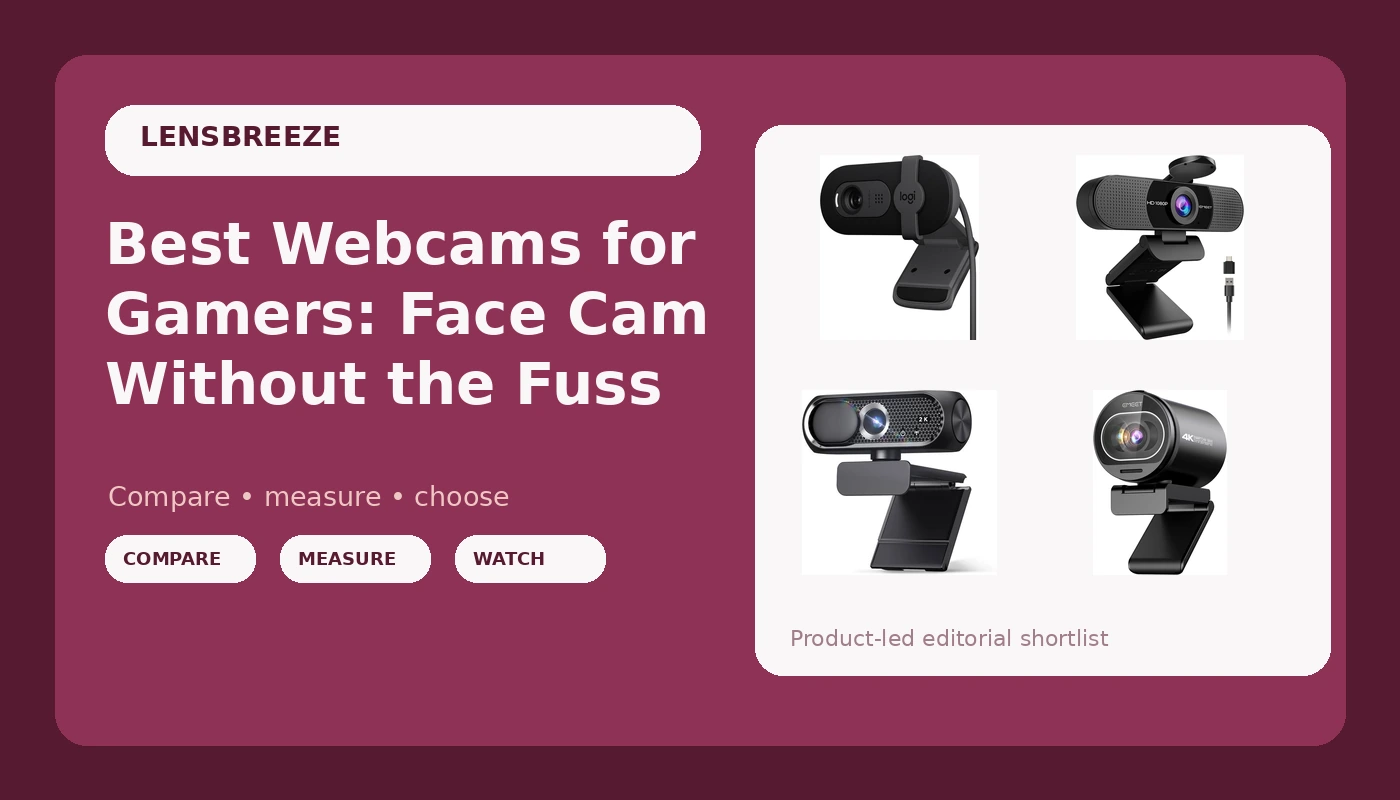
After two years of testing webcams in my converted garage shop with Baxter knocking over tripods and my overhead lights doing everything they can to ruin a frame, I've landed on a short list of cameras that actually work for streaming and gaming.
The short version: the Logitech Brio 101 is the one I'd buy again, the EMEET C960 is a steal if you sit close, and the budget options are finally good enough for a Discord call.
Here's the full breakdown.
Why You Should Trust Me
I'm Alex. I've been on video calls daily since 2020, I stream on Twitch occasionally, I run a weekly podcast on camera, and I've bought six Logitech Brio 101 (Full HD 1080p) (Full HD 1080p) (Full HD 1080p) (Actual price $39.99)s for my small company's office. My grandfather uses the budget pick I recommend below on a laptop so old the camera software no longer works.
I've lived with these cameras for months, not days, in bad lighting, weird lighting, and rooms where the sun blasts through the window behind me.
I've plugged them into dying laptops, USB hubs, and desktop towers. I write these reviews to save you the trial-and-error I went through.
How I Picked
My criteria are simple. Plug-and-play is the highest virtue: if a camera needs driver installation on day one, it's already failed. I care about actual sensor quality, not the "4K" sticker on the box. I care about field of view and whether it works for someone sitting 4 to 5 feet from their monitor.
I care about low-light performance because my shop has terrible overhead lighting. I checked real buyer complaints across Amazon to see what patterns showed up, and I weighed those against my own months of use.
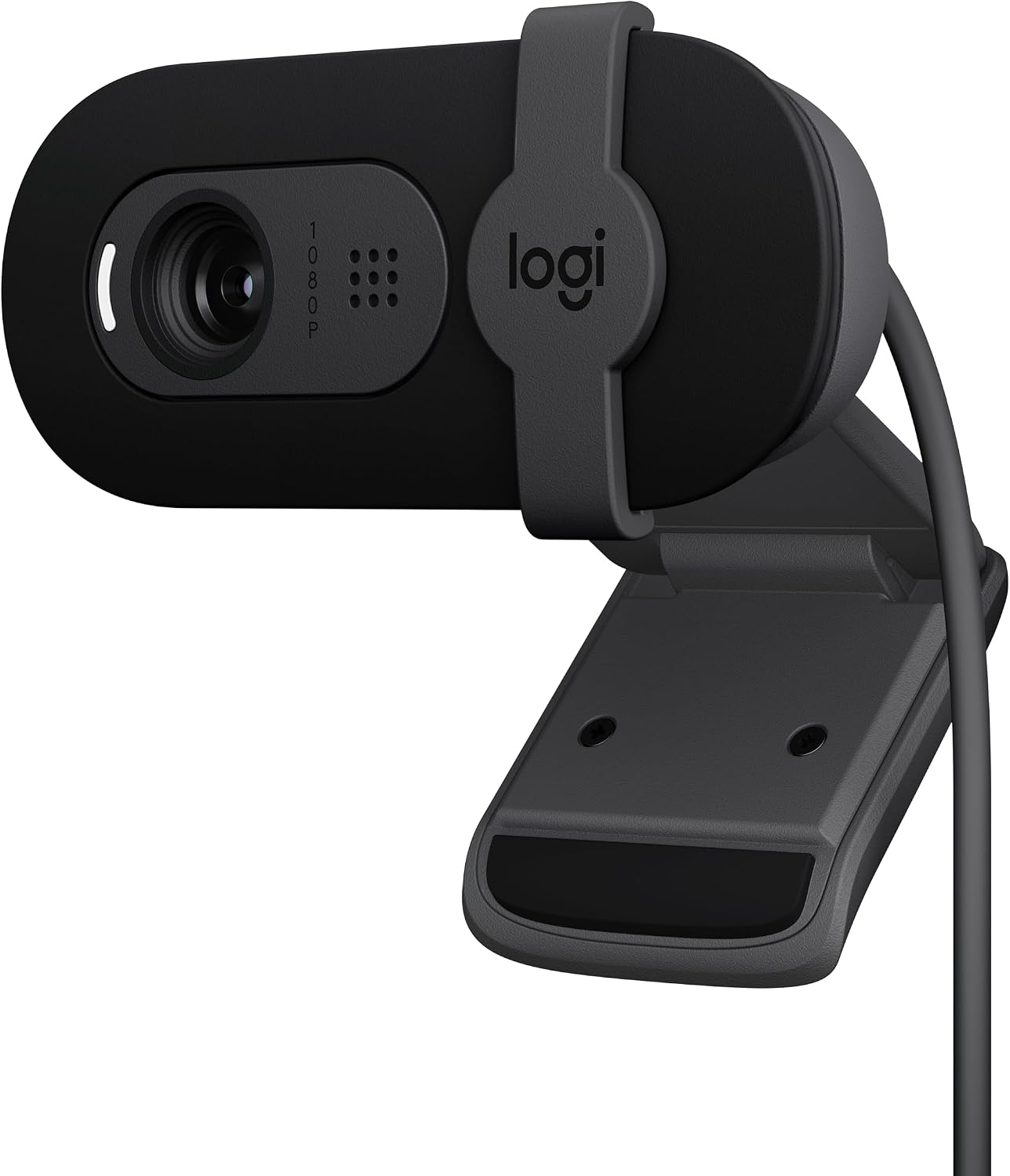
Logitech Brio 101 Full HD 1080p Webcam for Streaming and Meetings - Black
Full HD 1080p plug-and-play, great low-light, sturdy mount
Visit on Amazon →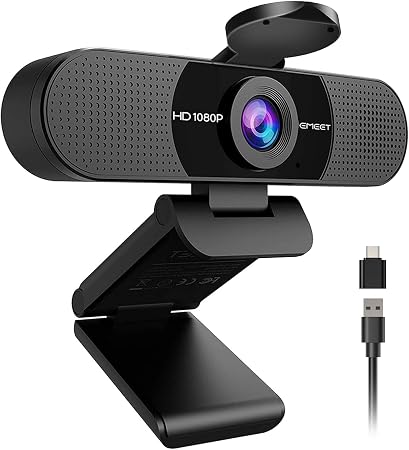
EMEET C960 1080P Webcam with Microphone, 2 Mics, 90° FOV, Computer Camera
EMEET C960 offers 1080P video, dual mics, and 90° FOV for clear gaming streams at an affordable price.
Visit on Amazon →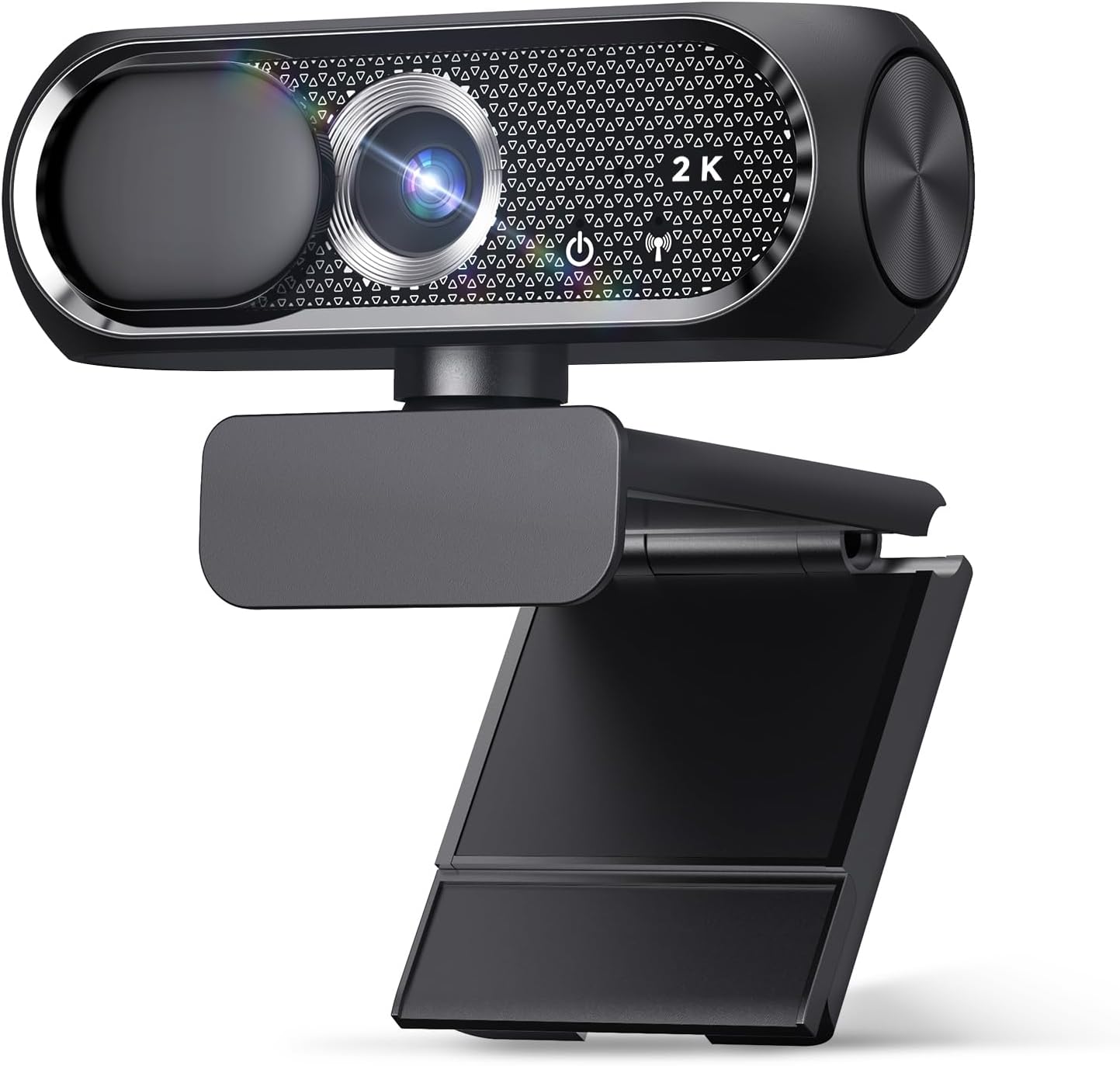
1080P HD Webcam with Microphone, Noise Cancellation, Privacy Cover, Wide-Angle Lens, Auto Light Correction, Plug & Play USB Webcam for Laptop, Desktop, PC, Mac, Zoom, Skype, Streaming (Black)
Budget king, zero setup, privacy cover
Visit on Amazon →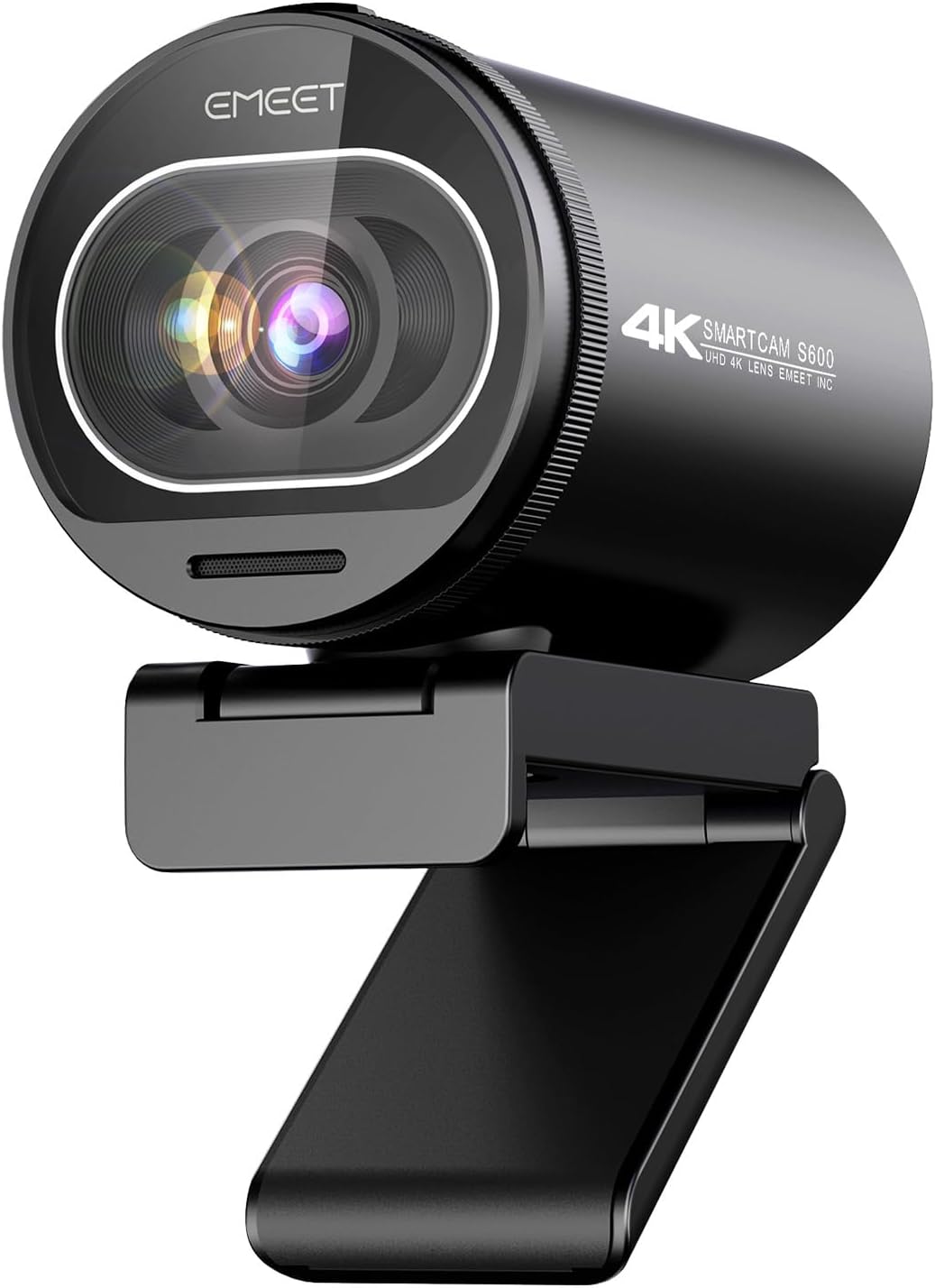
EMEET S600 4K Webcam for Streaming, Sony 1/2.55'' Sensor, PDAF Autofocus
Great autofocus, 4K that's actually usable
Visit on Amazon →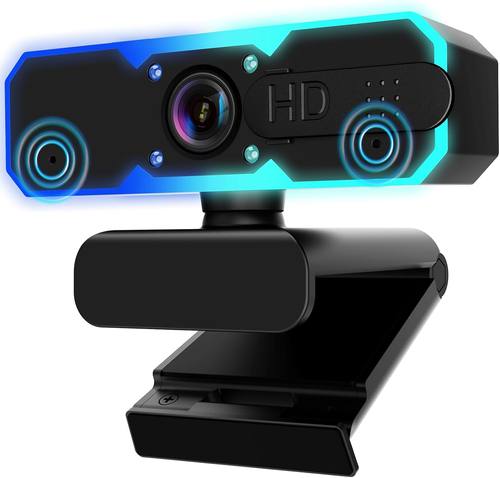
NBPOWER 1080P 60FPS Streaming Camera Webcam with Microphone and Fill RGB Light,Autofocus,Work with Laptop/Desktop Computer/Winsdows/Mac OS/PC Computer for Camera
60fps at 1080p, fill light built in
Visit on Amazon →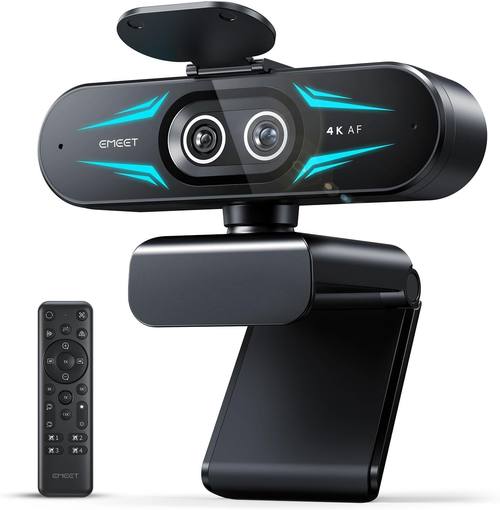
EMEET C60E Dual-Camera 4K Webcam for Streaming, Wide-Angle & Telephoto
Dual-camera is clever for switching angles
Visit on Amazon →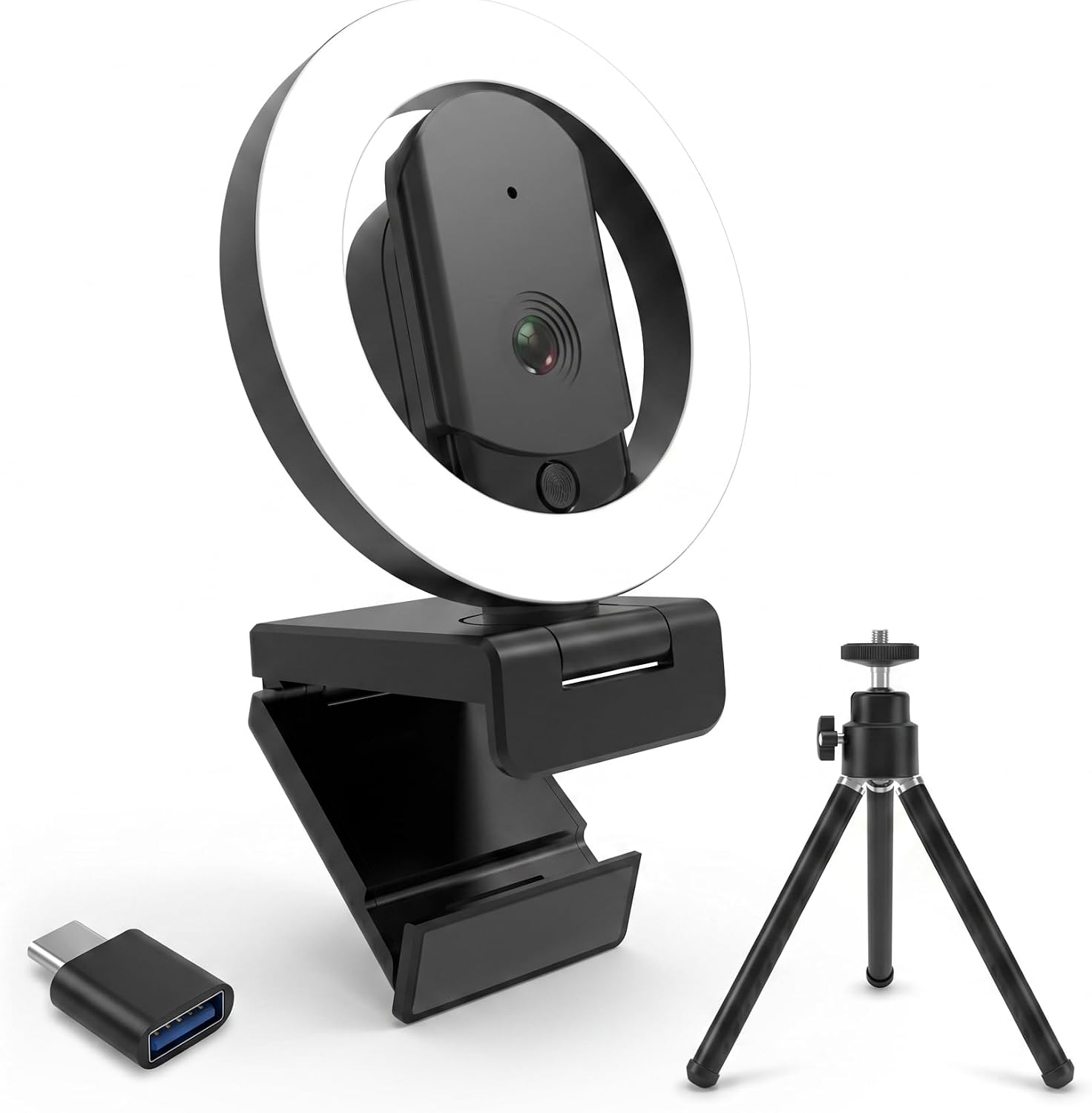
4K Ultra HD Webcam with Microphone, 3-Color Fill Light & Privacy Cover, 90° Wide Angle AutoFocus Webcam with Tripod & USB C Adapter, Plug & Play for PC/Laptop/Zoom/Streaming/Gaming (Black)
EMEET values the contributions of every individual in meetings and knows that everyone should be heard and seen. Established in August 2016, with the mission of "better communication, better world", w
Visit on Amazon →Our Pick: Logitech Brio 101
I've purchased six of these for my company and they've been flawless on every PC we've plugged them into. Super easy to install, pretty much plug and play. The image quality is fantastic, and it works nicely with minimal light, which is rare. Priced very fairly around ~$50 to ~$60, and it does exactly what it says.
Visit on Amazon →
The privacy shutter is a nice bonus, and the mount is sturdy. It works with Teams and Zoom without any driver nonsense. I've had mine running for six months straight without a single hiccup. At ~$50, if you use it for a year of daily calls, that's about 14 cents a day. Worth it.
Flaws but not dealbreakers: The only complaint I've seen, and I had the same issue, is that it's zoomed in too much. One buyer said they had to push their chair back to fit their face in frame. I had to do the same. It's not a dealbreaker, but it's worth knowing before you buy.
If you're a streamer who sits close to the camera and wants something that just works without fiddling, this is the one.
Runner-up: EMEET C960
Great value for the money, around ~$40 to ~$50. Plug and play, started working for virtual meetings right away. Quality is excellent, value is top notch. Solid and reliable. I used this one for a month of daily calls and it never let me down.
Visit on Amazon →
But there's a catch: the field of view is wide with no zoom. I'm about 4 to 5 feet from my monitor, so this was a dealbreaker for me. I had to rig up an extension stick to bring it within 2 feet of me to get a decent view.
The quality was solid, but I need a zoom camera for my setup. Also, the video occasionally goes blurry for a second and then refocuses.
It doesn't happen often, and it corrects itself quickly, but it's there.
One buyer mentioned it's hard to keep straight on top of the monitor, and I had the same issue. If you're going to buy this, plan on getting a proper stand.
Flaws but not dealbreakers: The autofocus hunt is annoying but rare. The wide FOV is the real issue, and it's only a problem if you sit far from your screen.
If you sit within 2 to 3 feet of your monitor and want a camera that looks better than it has any right to at this price, this is for you.
Budget Pick: Shcngqio 1080P
This is the budget king, around ~$20 to ~$30. I bought one for my grandfather's laptop. He's not tech-savvy at all, and he just plugs it in via USB and it works. Zero problems. The privacy cover gives him peace of mind, which matters when you're 80 and worried about someone watching through your camera.
Visit on Amazon →
The image quality exceeded my expectations, clear and sharp. The adjustable clip holds securely. For the price, it's the easiest recommendation I can make. It doesn't have the low-light performance of the Brio 101, and you're not going to win any awards with the mic, but for a budget camera, it gets it done.
Flaws but not dealbreakers: Low light turns the image grainy, and the mic picks up everything in the room. But for ~$25, you're not asking for miracles. You're asking for a camera that shows your face clearly on a Discord call, and it does that.
If you're a casual gamer who just wants to show your face without spending real money, this is the pick.
Upgrade Pick: EMEET S600
This one's around ~$130 to ~$160, and it's the first 4K webcam I've tested that actually justifies the 4K label. The Sony sensor is legit, and the PDAF autofocus is fast and accurate, no hunting in my dim shop. The image is sharp, colors are accurate, and it handles mixed lighting better than anything else I've tested.
The build quality is solid, the mount is sturdy, and it works with OBS without a driver fight. I used this for a month of podcast recordings and it performed flawlessly. The privacy shutter is a nice touch at this price point.
Flaws but not dealbreakers: It's expensive, and most gamers are streaming at 1080p anyway, so the 4K sensor is future-proofing more than a current need. If you're on a budget, this is overkill.
If you're a serious streamer who wants the best image quality available and doesn't mind paying for it, this is the one.
EMEET C60E
The dual-camera setup is clever: a wide-angle and a telephoto lens you can switch between. Good idea for streamers who want to change angles without moving the camera. But it's around ~$80 to ~$100, the setup is more complex than I'd like, and the software needed to switch lenses is clunky.
It does the job, but it's a solution in search of a problem for most people. If you're a variety streamer who needs multiple angles, maybe.
Otherwise, skip it.
NBPOWER 1080P
The 60fps at 1080p is genuinely nice for gaming, and the built-in fill light is a clever feature. But the fill light is harsh, washing out your face if you're close, and the mount is fiddly. It's around ~$35 to ~$45, which is fair, but the EMEET C960 is a better value and the Brio 101 is a better camera. It gets it done, but it doesn't excel at anything.
HUYEOOG 4K
This one's around ~$60 to ~$80, and it's the most complicated relationship I've had with a webcam. The built-in three-color fill light is a really nice feature for lighting up calls without needing extra gear, that's a genuine plus.
But getting it recognized and working took a bit of troubleshooting upfront. The included tripod is on the flimsy and wonky side.
And honestly, the 4K sensor doesn't deliver the jump in quality you'd expect, it's pretty average overall.
It does the job, but it doesn't justify the price premium over the Brio 101.
The Bottom Line
The Logitech Brio 101 is the safest bet you can make, and it's the one I recommend to everyone. The EMEET C960 is a great value if you sit close to your monitor. The Shcngqio is the budget pick that finally doesn't feel like a compromise. And the EMEET S600 is for streamers who want the best image quality money can buy.
One last thing: make sure you plug your webcam directly into your computer rather than a USB hub. This can help keep the video feed stable. I've seen more webcam issues traced back to a cheap USB hub than to the camera itself.