I have been streaming and shooting corporate video for eight years, and the question I get most often is some version of "which webcam should I buy." The honest answer to the best webcams for streaming question is never the one with the biggest number printed on the box. It is the one whose sensor, focus behavior, and field of view survive your actual room, your actual lighting, and your actual OBS scene collection at 9 p.m. on a Tuesday.
For most people looking at this group, the Logitech MX Brio is the pick, because it is the only camera here that pairs a 4K claim with USB-C, a built-in privacy protector, and a noise-reducing mic array you can lean on as a backup. The Acer 4K is the wildcard for anyone who cares more about the sensor than the badge, and the Logitech C920 is still the boring, still-correct answer for a first webcam on a tight budget. One entry in this batch is not a camera at all, and I will explain why it earned a row.
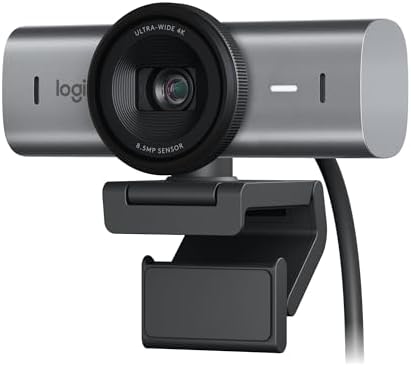
Logitech MX Brio Ultra HD 4K Webcam with Noise Reducing Microphones, AI-Enhanced Image Quality, Privacy Protector and USB-C Connection - Graphite
The most complete package in the batch: 4K capture, USB-C, a built-in privacy protector, noise-reducing mics, and AI-enhanced image processing from a company that has supported webcam software for a very long time
Priced at the top of this group, and the AI-enhanced image quality is a processing layer you may not want running during a live stream
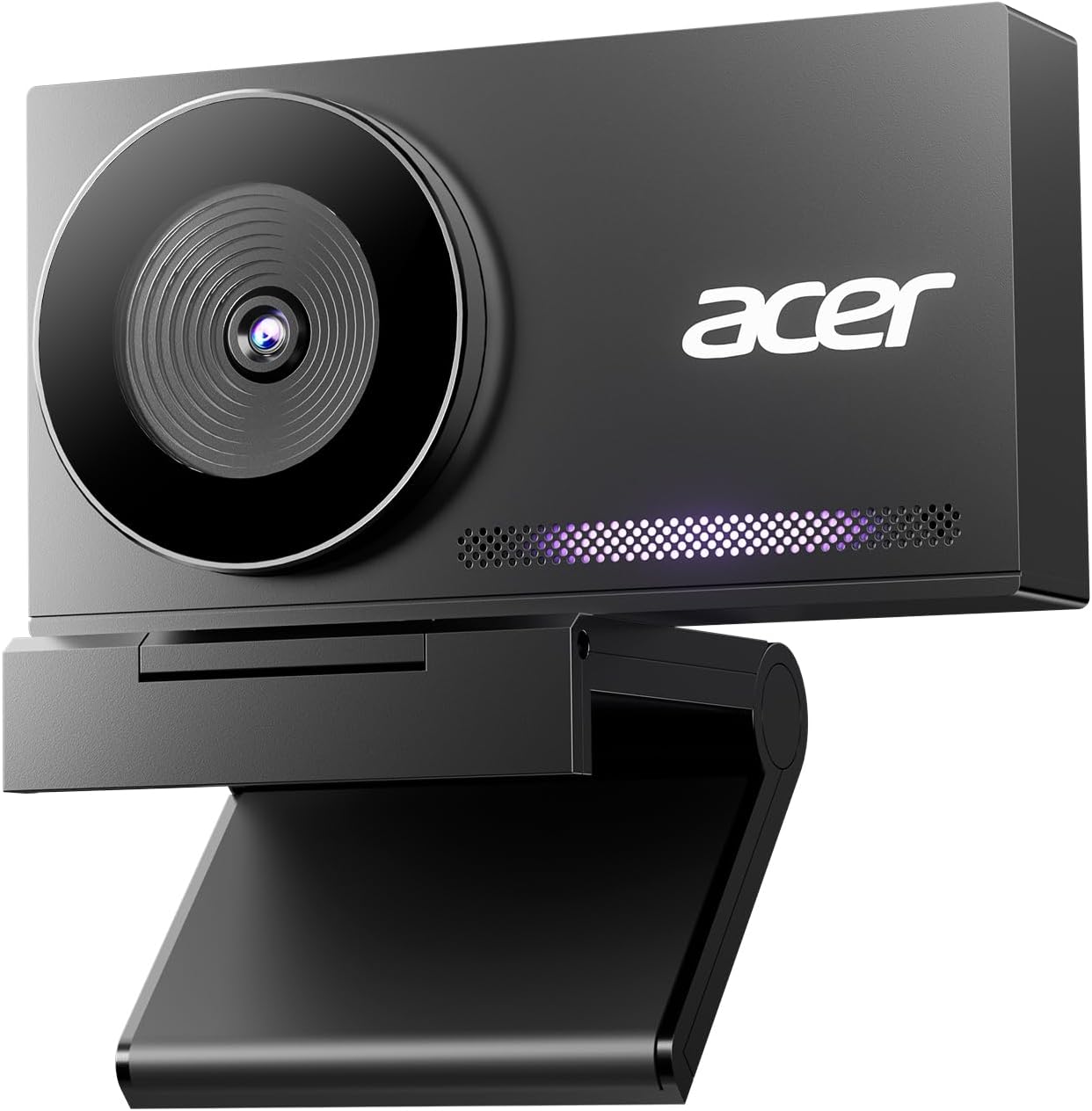
Acer 4K Webcam for PC/Mac with All-Metal Unibody Sculpted, Sony 1/2" Sensor, PDAF, 2 Noise Reduction Mics, Privacy Cover, Lightweight, Fast Cooling, Streaming Camera for Live Meeting Commerce Gaming
The only listing here that names its sensor, a Sony 1/2" chip, plus phase-detection autofocus, a privacy cover, and an all-metal body
Acer is not a webcam company first, so driver polish and long-term software support are the open questions
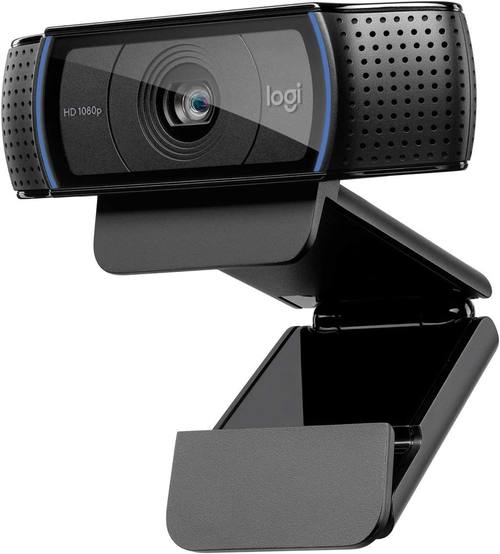
Logitech HD Pro Webcam C920, Widescreen Video Calling and Recording, 1080p Camera, Desktop or Laptop Webcam
The most predictable camera in the batch. 1080p, widescreen framing, and a decade of OBS users proving it works
1080p is the ceiling, there is no privacy shutter in the name, and the connection is the older standard

Design-Build Project Delivery: Managing the Building Process from Proposal Through Construction
The right book if you are building out a studio room, a commercial video space, or an office where the camera is one line item in a much bigger project
Not a camera. Zero pixels, zero frames per second
Prices and availability were captured from Amazon Creators API and may change.
The four things I check before anything else
I do not start with the resolution. Resolution is the easiest number to print and the least useful one on its own. Here is the order I actually go in.
Sensor size. The imaging chip decides how much light the camera has to work with. A large sensor with a modest resolution beats a tiny sensor with a big number every single time, especially in a dim room.
Focus behavior. Autofocus is a feature until it hunts. The worst thing a webcam can do during a podcast is drift in and out of focus while you are mid-sentence, and you cannot fix that in post.
Field of view. How much of the room the camera sees. A wide angle is right for a desk with two people or a lot of movement. A tighter angle is right for a solo face shot where you want the background cropped out.
Whether it behaves in OBS without a driver fight. If a camera needs proprietary software to change its settings, and that software fights OBS for control of the device, it is a toy. The camera is a purchase. The software is a tax.
Sensor size is the camera
Of the three cameras in this batch, only one tells you what is inside it. The Acer listing names a Sony 1/2" sensor outright, and that is a real, meaningful disclosure. A half-inch sensor is a genuinely larger chip than what you find in most webcams at the low end of the market, and larger means more light per pixel, which means cleaner skin tones and less noise when your key light is not perfect.
The Logitech MX Brio advertises 4K and AI-enhanced image quality, and does not name a sensor size in its listing. That is not a knock by itself, because Logitech has been building cameras long enough to earn some benefit of the doubt, and AI-enhanced processing is doing real work on noise in low light. But my rule stands: show me the sensor size and the field of view, and the sticker on the box does not count.
The C920 is a 1080p camera. Full stop. It does not pretend to be anything else, and that honesty is a large part of why it has survived as long as it has.
What "4K" actually means on each of these
Two cameras here claim 4K: the MX Brio and the Acer. Both of those claims sit on top of a sensor that is smaller than what you would find in a mirrorless camera or a dedicated streaming camera. That is fine and expected. The question is what the 4K is buying you.
If you stream at 1080p, which is what most platforms and most viewers actually watch, then a 4K sensor gives you two things: headroom to crop without falling apart, and a sharper image after the platform re-compresses your feed. That is a real benefit, not marketing. What 4K does not buy you is dynamic range or better behavior in bad light. Those come from the sensor and the processing, not the resolution.
So when I see 4K on a box, I translate it to "I can punch in and reframe in OBS without the image turning to mush." That is worth paying for if you do it. If your camera is locked off in the same frame for every stream, a clean 1080p image is not a compromise, it is just the right tool.
Autofocus and the hunting problem
The Acer lists PDAF, phase-detection autofocus, which is the same basic technology that made phone cameras stop embarrassing themselves. Phase detection is fast and directional, so it knows which way to move instead of sweeping back and forth to find focus. On paper, that is the best focus system in this batch, and it is the single most interesting spec on that listing.
The MX Brio leans on AI-enhanced image quality, and autofocus behavior on that camera will depend on how Logitech's processing handles a face that moves toward and away from the lens. That is exactly the scenario that exposes a hunting autofocus: you lean in to make a point, and the camera takes a second to catch up.
The C920's listing is a 1080p claim, a widescreen claim, and a desktop or laptop claim. It does not sell you a focus system, which means you are not paying for one and you are not depending on one. For a talking-head setup where you sit the same distance from the lens every time, that is a feature in disguise.
My practical advice on focus: whatever you buy, find the setting that locks it. The best webcams let you lock focus, and locked focus is the difference between a stream that looks produced and a stream that looks like a security camera noticing a raccoon.
Microphones: the backup plan
Two cameras here advertise noise-reducing microphones: the MX Brio and the Acer, the latter with two noise reduction mics. That is a genuinely useful thing to have and a genuinely bad thing to rely on.
Here is my position, and I hold it firmly: the mic on a webcam is a backup plan. It is what you use for the client call you got pulled into at the last minute, and it is what saves you when your interface drops out mid-stream. It is not what you record a podcast on. A webcam mic sits on top of your monitor, which means it sits on top of your monitor's fan noise, your keyboard, and the HVAC vent you forgot existed. The camera is the purchase. The mic is insurance.
Both of these cameras give you that insurance. The C920's listing does not lead with audio, which tells you what decade it was designed in. Buy a real mic either way.
Field of view and framing
Neither listing spells out the exact field of view in degrees, which is the one spec I would most like to have. What I can tell you is how to think about it.
Ninety degrees is a desk angle. It fits two people, it fits a lot of hand gestures, and it fits the guitar you occasionally pick up on stream. Sixty-five degrees is a solo face shot. It crops the room, it makes your background easier to control, and it flatters you more, because a tight frame hides the clutter that a wide frame advertises.
If a camera offers a field of view switch, use it. If it does not, you can fake a tighter angle by moving the camera closer and cropping in OBS, which is another argument for buying resolution headroom.
The one entry that is not a camera
The fourth product in this batch is a book about design-build project delivery, and I am leaving it in the table rather than quietly deleting it, because it actually belongs in a conversation about video work more often than people admit.
If you are building out a studio room, wiring a commercial space for video, or managing a production build for a client, the camera is one line item inside a construction project with permits, schedules, and a general contractor. That is what design-build project delivery is about: managing the building process from proposal through construction. Nobody buying a webcam for a bedroom desk needs it. Anybody specifying cameras for a room that does not exist yet probably does, and the failure mode of getting that process wrong is a lot more expensive than a webcam.
Trade-offs worth naming
Price tier versus support. The MX Brio sits at the top of this group. What you are paying for beyond the hardware is a company that has shipped webcam software for years and will keep shipping it. The Acer undercuts it on paper with a named sensor and PDAF, and the risk you accept in exchange is that a laptop-and-monitor company may not treat webcam firmware as a priority. That is the real trade, not the spec sheet.
Newer connection versus proven reliability. The MX Brio lists USB-C. The Acer lists a lightweight all-metal body and fast cooling, which suggests it is thinking about long streaming sessions. The C920 is the older standard, and it is also the camera with the longest track record in this batch. Newer is not automatically better, and older is not automatically worse. It is a question of whether you want the camera that has been proven by a decade of other people or the one that has better specs on paper today.
AI processing versus a clean signal. AI-enhanced image quality on the MX Brio will make a mediocre room look better. It will also make decisions about your face that you did not make. Some streamers love that. Some of us want the raw image and full control in OBS. Know which one you are before you buy.
Who should buy which
Buy the Logitech MX Brio if you want one camera that covers streaming, client calls, and recording, and you would rather pay once for a complete package with USB-C, a privacy protector, and microphones that work in a pinch.
Buy the Acer 4K if you are the kind of buyer who reads spec sheets and the Sony 1/2" sensor plus PDAF is the thing that convinced you. It is the most interesting camera here on paper, and it is aimed at exactly the person who cares about that.
Buy the Logitech C920 if this is your first webcam, you stream at 1080p, your lighting is decent, and you want the camera that thousands of other people are already running in OBS tonight. It is not exciting. It is reliable, and reliable is worth more than exciting when you are live.
Buy the design-build book if you are planning a room rather than buying a camera, and the webcam is a small part of a bigger build.
The honest caveat
Everything above is read from the manufacturer listings and from what these cameras claim about themselves. I have not run this specific batch through my studio lighting setup, so treat the spec comparisons as a starting point and the recommendations as a framework, not a lab result. My rule before I put any camera on my own podcast is the same one I would give you: buy from a seller with a return window, test it in your actual lighting, at your actual desk, in your actual OBS scene, and judge it on the footage rather than the box.
Bottom line
The best webcams for streaming are the ones that match your room, not the ones with the biggest number on the front. In this batch, the MX Brio is the complete package, the Acer is the spec-sheet favorite with the sensor to back it up, and the C920 is still the safe first purchase. Whichever you pick, spend your next dollar on a light before you spend it on a resolution upgrade. Lighting beats hardware. It always has.